Energy Efficiency and Sliding Doors: What You Need to Know
Energy efficiency serves as a vital consideration for homeowners aiming to boost comfort and cut down on costs. Sliding doors, when built with particular attributes, serve a major function in reaching these objectives. Recognizing the different elements and installation techniques can result in considerable savings and enhanced indoor conditions. As energy-efficient sliding doors continue to gain popularity, it brings up questions about the most effective methods for selecting and upkeeping them. What are the key factors to evaluate?
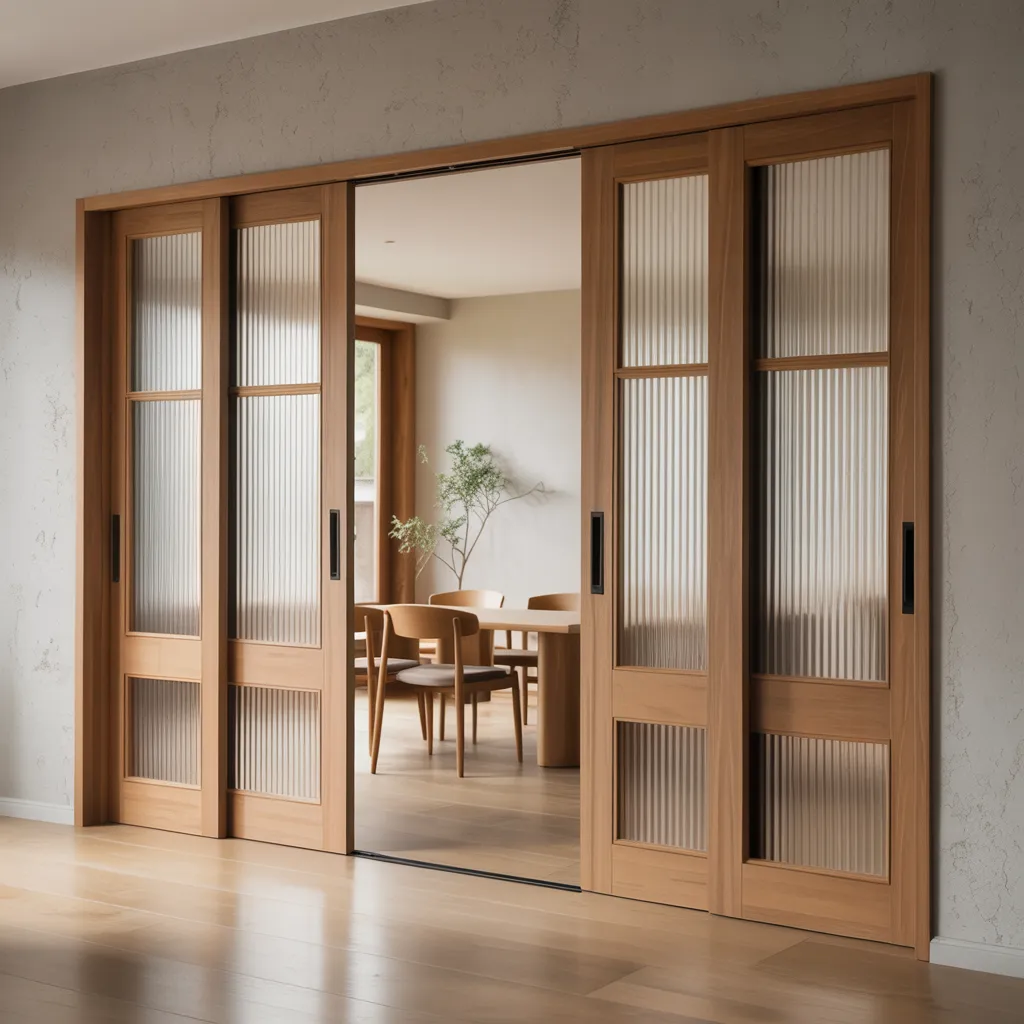
Why Choose Energy-Efficient Sliding Doors?
Energy-saving sliding doors provide substantial advantages for homeowners seeking to improve comfort and lower energy expenses. These doors are engineered to reduce heat transfer, which assists in sustaining a consistent indoor temperature all year long. By preventing drafts and limiting thermal loss, they contribute to a more consistent and pleasant living environment.
Furthermore, energy-efficient sliding doors frequently feature innovative materials and modern technologies that enhance thermal insulation. Residents are able to benefit from enhanced natural lighting while taking advantage of less need for artificial lighting. Moreover, a number of these doors are specifically built to prevent damaging UV rays from entering, safeguarding indoor furnishings against discoloration.
Investing in energy-saving sliding doors can lead to reduced energy costs over time, making them an economical option. Property owners may also find that these doors boost the overall appeal of their residence. During a time centered around eco-friendliness and energy savings, choosing energy-efficient sliding doors is a practical and responsible decision.
Key Features That Improve Energy Efficiency in Sliding Doors
Since many homeowners aim to boost energy efficiency, the characteristics of sliding doors are essential in reaching this objective. A primary feature includes multi-point locking mechanisms, which ensure a secure seal and minimize air leakage. Low-emissivity (Low-E) glass is another essential element, reflecting heat while allowing natural light, thereby maintaining indoor temperatures. Additionally, weatherstripping applied along the door frame assists in stopping drafts, improving overall insulation.
Thermal breaks in the frame can also contribute considerably, reducing heat transfer and enhancing overall energy efficiency. Moreover, the choice of a well-fitted track system can reduce friction, ensuring seamless operation without affecting the seal. In addition, the inclusion of energy-conscious hardware, including insulated handles and locking mechanisms, can also play a role in maintaining energy efficiency. Combined, these elements allow homeowners to experience connected information comfortable living environments while lowering energy use and expenses.
Materials That Boost Insulation and Performance
The selection of materials for sliding doors is fundamentally important in enhancing their thermal efficiency and functionality. Thermally superior frame materials, such as vinyl and fiberglass, markedly reduce thermal transfer, while advanced glass options improve energy retention. Combined, these components lead to a more thermally stable living space and lower energy costs.
Energy-Saving Frame Materials
Sliding doors can greatly enhance a home's energy efficiency when built using the right frame material options. Choices such as vinyl, fiberglass, and wood-clad frames provide excellent insulating qualities. Vinyl frames are notably beneficial, as they resist temperature fluctuations and minimize heat transfer. Fiberglass frames, known for their strength and minimal heat transfer, additionally minimize energy loss. Wood-clad frames combine the aesthetic appeal of natural wood with the energy-saving properties of additional materials, offering a harmony of aesthetics and performance. Additionally, aluminum frames with thermal breaks can also be energy-efficient when engineered properly. Choosing the right frame material proves critical to optimizing thermal efficiency and preserving a pleasant interior climate while lowering climate control costs.
Superior Glass Selections
Advanced glazing solutions greatly enhance the energy efficiency of sliding doors, delivering advanced insulation and performance features. These specialized glazing technologies often include double or triple-pane configurations, which trap air or gas between layers, significantly minimizing heat transfer. Low-E reflective coatings further improve energy efficiency by bouncing heat back into the living space while enabling daylight to filter inside. Additionally, some high-performance glass options incorporate argon or krypton gas fills, enhancing thermal insulation. Such characteristics not only support a more comfortable indoor environment but also lower heating and cooling costs. By choosing sliding doors featuring advanced glazing, homeowners can achieve a harmony between visual appeal and thermal performance, creating a worthwhile commitment to lasting efficiency and environmental responsibility.
How Professional Installation Improves Energy Efficiency
The proper fitting of sliding doors considerably boosts energy conservation by guaranteeing airtight seals and ideal alignment. When sliding doors are properly installed, they reduce air leakage, which is a prevalent contributor to energy loss in households. Gaps or misalignments can allow conditioned air to escape, resulting in higher heating and cooling expenses.
In addition, quality installation promotes the durability and performance of the doors, lowering the probability of wear and tear that can compromise energy efficiency over time. A skilled installer will ensure that the door frame is properly aligned and that all components, such as tracks and rollers, are functioning correctly.
Ultimately, expert installation typically follows manufacturer guidelines, which can maximize the energy performance ratings of the sliding glass doors. By choosing quality installation, homeowners are able to realize considerable energy savings while enhancing the overall comfort of their living spaces.
Understanding the Costs and Benefits of Sliding Doors
When looking at sliding doors, evaluating the initial expenditure is important, as costs can differ significantly based on the materials and design chosen. Moreover, long-term energy savings can balance out the initial investment, making it important to consider efficiency ratings carefully. Recognizing these considerations will help homeowners arrive at thoughtful decisions that consider both immediate expenses and future savings.
Starting Investment Considerations
Choosing sliding doors can yield considerable long-term benefits, but initial costs are essential to evaluate. When considering sliding doors, buyers should examine the price of structural adjustments, materials, and installation costs. High-quality materials, such as tempered glass or fiberglass, may have a larger starting investment but can boost long-term resilience and energy savings. Additionally, the difficulty of the installation work can influence labor expenses. It is critical to weigh these initial costs against the anticipated benefits, including improved appearance and energy cost reductions. Homeowners should also examine warranty options and maintenance requirements, as these factors can impact long-term value. Ultimately, a thorough analysis will help in reaching a well-considered conclusion regarding the purchase of sliding doors.
Lasting Energy Savings
While the initial investment in sliding doors may seem intimidating, the lasting energy savings can significantly exceed these expenses. Energy-efficient sliding doors are designed to minimize heat loss in winter and reduce cooling demands in summer, leading to decreased monthly utility expenses. Over time, the energy savings can offset the higher purchase and installation costs, making them an economically sound investment. Furthermore, numerous sliding doors include features like low-emissivity (Low-E) glass that improves insulation performance. Homeowners could additionally qualify for tax credits or rebates that reward energy-efficient home upgrades. In the end, choosing to invest in sliding doors not only boosts visual appeal but also leads to considerable reductions in energy costs over time.
Design and Material Influence
The selection of design and material markedly influences the efficiency and performance of sliding doors. Popular materials encompass vinyl, aluminum, and wood, each providing distinct advantages. Vinyl offers superior insulation and requires minimal maintenance, while aluminum is lightweight and durable, often featuring thermal breaks to improve energy efficiency. Wood, while visually appealing, can necessitate additional care.
Structural components, such as the type of glazing used, serve a vital function in energy efficiency. Double or triple-pane glass can significantly minimize thermal exchange, enhancing indoor comfort. Furthermore, the alignment and sealing of the door influence draft infiltration, which can impact total energy expenditure. In the end, selecting the right materials and design can lead to considerable long-term energy savings and greater well-being in residential areas.
Tips for Maintaining Energy-Efficient Sliding Doors
Keeping energy-efficient sliding doors is critical for ensuring optimal performance and long-term durability. Routine cleaning is essential; buildup of dirt and debris can compromise their operation and weaken insulation performance. Property owners should utilize a gentle soap mixture and a soft cloth to thoroughly clean the glass and frame, ensuring the seals stay undamaged.
Inspecting the weather stripping periodically is equally essential. Worn or deteriorated strips should be replaced without delay to preserve thermal performance. In addition, lubricating the track and rollers with a silicone-based lubricating solution can minimize wear and promote smooth operation.
Detecting drafts by conducting a basic hand test along the edges can pinpoint areas in need of improvement. When drafts are found, using caulk or weather stripping can improve energy efficiency. Additionally, confirming that the doors align properly will prevent gaps, thereby improving their overall performance. Consistent maintenance not only preserves energy but also increases the longevity of sliding doors.

Common Questions and Answers
Do Energy-Efficient Sliding Doors Need Specialized Cleaning Products?
Energy-efficient sliding doors do not necessarily require special cleaning products. Standard mild cleaners and soft cloths typically suffice, providing effective care without causing damage to the materials or diminishing their energy-efficient characteristics. Consistent cleaning boosts their lifespan and overall performance.
How Can Sliding Doors Influence Your Home's Resale Value?
Sliding doors have the potential to boost home resale value by improving aesthetics and functionality of a property. Many buyers tend to recognize the natural light and accessibility they provide, ensuring that properties featuring properly maintained sliding doors stand out in highly competitive real estate markets.
Can Energy-Efficient Sliding Doors Be Customized for My Home?
Absolutely, homeowners have the ability to customize energy-efficient sliding doors to suit their preferences. Selections include multiple materials, styles, and energy ratings, enabling enhanced insulation and aesthetics while boosting overall home performance and comfort.
What Warranty Options Are Available for Energy-Efficient Sliding Doors?
Warranty options for high-efficiency sliding doors generally differ by manufacturer, frequently spanning from ten years to lifetime coverage. Homeowners should carefully review particular terms, including coverage on materials, workmanship, and energy performance guarantees.
Do Tax Incentives Exist for Installing Energy-Efficient Sliding Doors?
Indeed, there are tax incentives offered for installing energy-efficient sliding doors. Homeowners can take advantage of federal tax credits or local rebates, which encourage energy-conscious upgrades while enhancing overall energy efficiency in residential properties.
Comments on “Aluminium Sliding Doors: Premium Space-Saving Door Systems for Homes”